
The Evolution of Marketing in the Digital Age: Past, Present, and Future

Marketing is a dynamic field that has transformed significantly over the years, especially with the advent of digital technologies. In this blog, we'll take a journey through time to understand how the marketing department has evolved, and we'll peer into the future to see what exciting changes lie ahead.

The Past: Traditional Marketing
Print Era (1800s - Mid-20th Century):
In the 1800s, marketing was largely print-based, with newspaper ads and flyers being the primary channels.
The industrial revolution led to mass production, and marketing focused on reaching a broad audience.

Source: Unknown - Gillet paper advertisement in 1900
Broadcast Era (Mid-20th Century - 1990s):
The rise of radio and television created new advertising opportunities. Companies could now reach millions of people simultaneously.
Brands like Coca-Cola became iconic through catchy jingles and memorable TV ads.

Source: Unknown - Coca-Cola TV advertisement in the late 20th century
The Birth of the Internet (Late 20th Century):
With the emergence of the internet in the late 20th century, marketing started shifting towards online channels.
Email marketing and static websites marked the beginning of digital marketing.
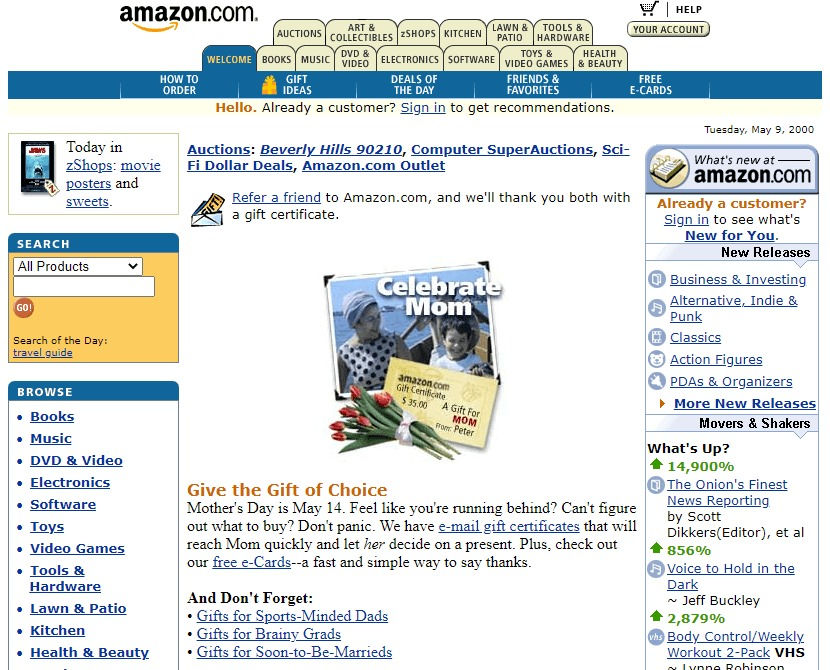
Source: Unknown - Amazon.com website in early 2000
The Present: Digital Dominance
The Internet Boom (Late 1990s - Early 2000s):
The dot-com bubble led to a proliferation of websites and online advertising.
Search engines like Google revolutionized how people found information, giving birth to search engine optimization (SEO).
Social Media Explosion (Mid-2000s - Present):
The rise of social media platforms like Facebook, Twitter, and Instagram changed the way brands engage with their audience.
Content marketing and influencer marketing became popular strategies.
Mobile Revolution (2010s - Present):
The advent of smartphones made marketing even more personalized and location-based.
Mobile apps, SMS marketing, and responsive web design became crucial.
Data-Driven Marketing (Present - Trending):
The availability of big data and analytics tools allowed marketers to make data-driven decisions.
Artificial Intelligence-based Personalization and targeted advertising became more effective

Source: Amazon. ads - Amazon.com personalized and targeted advertising
The Future: Marketing in a Digital World
Virtual Reality (VR) and Augmented Reality (AR): VR and AR will create immersive marketing experiences, allowing customers to interact with products before purchase.
Example: IKEA, the Swedish furniture retail giant, has always been at the forefront of innovative marketing techniques. In 2016, they embarked on a groundbreaking virtual reality (VR) marketing campaign to transform the way customers shop for their kitchens.

Source: Ikea. digital
Voice Search Optimization: As voice-activated devices like Siri and Alexa become more common, optimizing content for voice search will be crucial.
Example: Voice-Enabled Pizza Orders: Domino's developed a voice app for popular voice-activated devices. This app allowed customers to place pizza orders using only their voice. Users could simply say, "Order me a large pepperoni pizza " and the voice assistant would take care of the rest.

Source: Dominos
Blockchain in Advertising: Blockchain technology can enhance transparency in digital advertising, reducing fraud and ensuring fair compensation for content creators.
Sustainability and Ethics: Consumers are increasingly conscious of brands' environmental and ethical practices. Marketing will need to align with these values.
Privacy and Data Security: As concerns about data privacy grow, marketers will need to prioritize ethical data usage and ensure customer trust.
In conclusion, the marketing department has come a long way from traditional print ads to the digital age we live in today. The future promises even more exciting developments with the integration of cutting-edge technologies. As marketing continues to evolve, staying adaptable and embracing these changes will be key to success in the ever-dynamic world of digital marketing. So, fasten your seatbelts; the marketing landscape is set for a thrilling ride into the future!


Comments