
"Profitably Green: Sustainable Strategies Across Industries"

Introduction
In recent years, sustainability has transcended its status as a buzzword and evolved into a fundamental business strategy across various industries. Companies are recognizing that integrating sustainable practices not only benefits the planet but also their bottom lines. This blog explores how different industries are leveraging sustainability as a competitive advantage, with examples of companies leading the way in reducing costs, increasing revenue, and enhancing their brand image.
Automotive Industry
Electric Vehicles (EVs): Companies like Tesla have revolutionized the automotive industry by focusing on electric vehicles. These EVs not only reduce greenhouse gas emissions but also attract environmentally conscious consumers. Tesla's success has inspired traditional automakers like Ford and General Motors to invest in electric options.

Picture courtesy: Tesla.com
Fuel Efficiency: Companies like Toyota have introduced hybrid vehicles, such as the Prius, that offer better fuel efficiency. The recent Prius comes with a solar panel roof which generates electricity to power up to 1200 kms per year. This reduces the carbon footprint and saves consumers money on fuel costs, making it a win-win situation.

Picture courtesy: Toyota Prius - motortrend.com
Technology Industry
Data Centers: Tech giants like Google and Facebook have made significant investments in sustainable data centers. For example, by using renewable energy sources and innovative cooling techniques, Google reduces its environmental impact by 300K CO2 reduction while also saving 10% on energy costs.

Picture courtesy: Google/blog
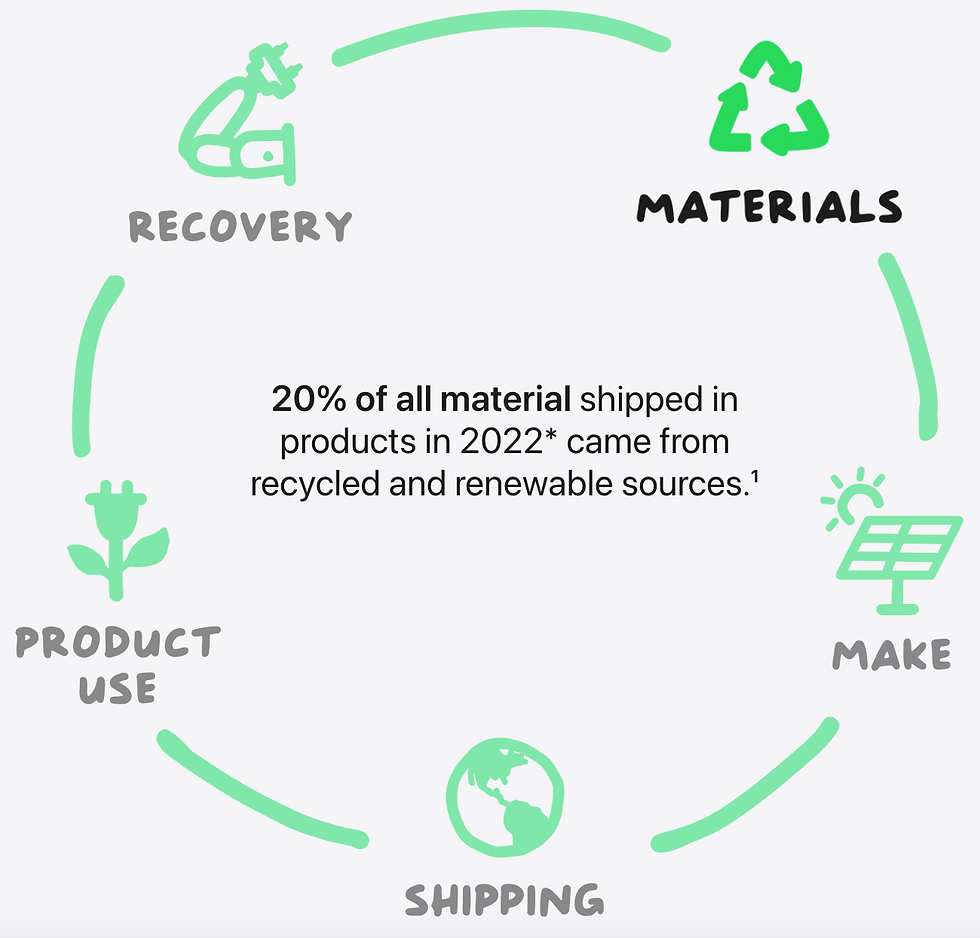
Product Recycling: Apple has pioneered efforts to reduce e-waste by offering recycling programs for its devices. Apple claims more than 40,000 metric tons of electronic scrap directed to recycling in 2022. This not only showcases their commitment to sustainability but also encourages customer loyalty. we have a detailed post on Apple's sustainable journey
Picture courtesy: Apple Sustainability
Fashion Industry
Sustainable Materials: Companies like Patagonia and H&M have started using sustainable materials, such as organic cotton and recycled fibers, in their clothing lines. This not only reduces the environmental impact of the fashion industry but also appeals to eco-conscious consumers.

Picture courtesy: Patagonia.com
A single pound of conventional cotton consumes 173 gallons of water. When you factor in soil preparation, harmful pesticides, field worker impacts, plant cultivation, and crop harvesting, the global environmental cost is substantial. Patagonia's use of recycled cotton prolongs the life of existing fibers, reducing environmental resource usage while maintaining a soft and comfortable feel. Patagonia also achieved 82% percentage of CO₂e emissions reduction per kilogram of cotton fiber by using recycled cotton instead of conventional virgin cotton.
Circular Fashion: Brands like The North Face and Levi's have embraced the circular fashion model, encouraging customers to return and recycle old clothing. This initiative not only reduces waste but also fosters brand loyalty and repeat business.

Picture courtesy: Levis.com
Levi's® introduces circular 501® jeans, designed for recyclability and durability. These jeans blend organic cotton with sustainable fiber. They eliminate pollutive elements, like synthetic pocketing and metal trims with heavy metals, making recycling easier. This choice reduces natural resource use and chemical consumption. The Water<Less® technique for dyeing and finishing minimizes hazardous chemical discharge, reflecting Levi's commitment to environmental conservation and circular practices.
Food and Beverage Industry
Local Sourcing: Companies like Chipotle have prioritized sourcing ingredients locally, reducing their carbon footprint and supporting local economies.
In 2022, Chipotle, a Mexican fast-food pioneer, sourced over 36 million pounds of local produce from within 350 miles of its distribution centers. They also invested $35 million in local food systems, with most of their restaurants located within 80 miles of a distribution center.

Picture courtesy: Chipotle/sustainability report
Plant-Based Alternatives: The rise of companies like Beyond Meat and Impossible Foods offers consumers sustainable and plant-based alternatives to traditional meat products. These innovations cater to the growing demand for eco-friendly dining options.

Picture Courtesy: Beyondmeat.com - Beyond Burger
It is just beyond Innovation, Based on the different studies, Beyond Meat's plant-based products, like the Beyond Burger, save about 250,000 animals each year. They also produce 90% fewer greenhouse gases compared to traditional beef burgers. Making a Beyond Burger uses less water, land, and energy than a standard American ¼ lb beef burger. Plus, Beyond Burgers are rich in protein and have no cholesterol.
Conclusion
Sustainability is no longer an optional add-on for businesses—it's a vital strategy that can drive revenue, reduce costs, and enhance brand reputation. Companies across various industries are increasingly recognizing the advantages of embracing sustainability. Whether it's through the adoption of renewable energy, sustainable materials, or innovative recycling programs, these businesses are not only making a positive impact on the planet but also gaining a competitive edge in their respective markets. As consumers become more environmentally conscious, companies that prioritize sustainability are likely to thrive in the evolving business landscape.


Comments