
"Independent Beverage Industry's Tech-Driven Evolution"

Introduction
The beverage industry has undergone a significant transformation in recent years, with consumers demanding unique and innovative choices in their beverages. Independent beverage solution providers are at the forefront of this revolution, catering to the ever-evolving tastes of consumers. To stay competitive, they must keep pace with industry trends and leverage digital technology to their advantage. In this blog, we'll explore some key industry trends and how digital technology is playing a pivotal role in helping independent beverage solution providers achieve them, along with real-world examples to illustrate these advancements.
1. Health and Wellness:
Trend: Consumers are increasingly seeking healthier beverage options that align with their wellness goals, such as low-sugar, functional ingredients, and natural flavors.
Digital Solution: Independent beverage providers are using data analytics and AI-driven tools to identify consumer preferences and create healthier product offerings. They can analyze market trends and consumer reviews to fine-tune their recipes and ingredient choices.
Example: Givuadan, Swiss based leader in fragrance, beauty and taste provider uses Artificial intelligence based tools for consumer understanding and product development. One of the AI tool built by Givuadan is s Customer Foresight, It is a smart tool that uses big data, artificial intelligence, and industry know-how to predict future problems and what customers will want. It finds small signs of change, figures out what's causing those changes, and plans for different future possibilities.

Source: Givuadan- taste and well being -- Digital tools
2. Sustainability:
Trend: Sustainability is no longer an option but a necessity. Consumers want eco-friendly packaging and ethically sourced ingredients.
Digital Solution: Blockchain technology is being employed to trace the origins of ingredients and ensure they meet sustainability standards. Additionally, 3D printing is used to create biodegradable packaging.
Example: Nestlé has been using blockchain since 2017 to enhance transparency and sustainability. Nestlé partnered with the Rainforest Alliance to independently provide reliable data on the coffee's origins, accessible via the IBM Food Trust blockchain platform. Consumers can scan QR codes on the packaging to trace the coffee's journey, including farmer information, harvest time, transaction certificates, and roasting details.

Source : Nestle/Media/news
3. Personalisation:
Trend: Personalisation is becoming the norm, with consumers looking for beverages tailored to their unique tastes and dietary needs.
Digital Solution: AI-driven recommendation systems collect data on customer preferences and offer personalised beverage suggestions. This can be incorporated into vending machines or mobile apps.
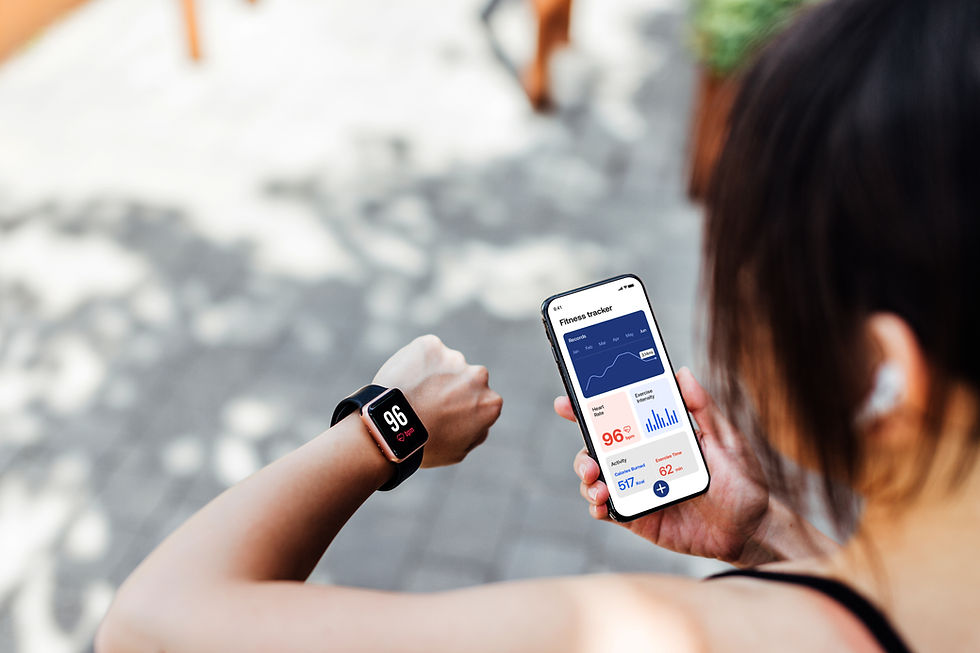
Example: International Fragrances and Flavors (IFF) forms Strategic Partnership with Salus optima to Develop AI-Driven Personalised Nutrition Platform.The platform is designed to help consumers understand their unique metabolic response to food, supplements, activity and sleep, accessible via mobile phones and wearables.
4. Smart Manufacturing and Quality Control:
Trend: Consumers expect consistency and high-quality products. Smart manufacturing can help achieve this.
Digital Solution: IoT devices and sensors are integrated into production lines to monitor and control every aspect of beverage production. AI algorithms detect deviations from quality standards and make real-time adjustments.
Example: Coca-Cola İçecek (CCI), the world's sixth-largest Coca-Cola bottler, is upgrading its manufacturing facility by developing a digital twin in the cloud technology. This initiative aims to leverage advanced analytics, artificial intelligence (AI), and real-time asset monitoring to enhance efficiency. CCI collaborated with AWS to build a continuous improvement engine using predictive analytics and digital twins to reduce downtime, enhance production efficiency, and conserve resources across its 26 bottling plants.

Conclusion
The beverage industry is evolving rapidly, and independent beverage solution providers are uniquely positioned to capitalize on emerging trends by embracing digital technology. Whether it's creating healthier options, adopting sustainable practices, offering personalized experiences, or optimizing online sales, digital tools and strategies are essential in achieving success. As the industry continues to transform, those who harness the power of digital technology will not only survive but thrive in this dynamic market.


Comments